
Mineral sourcing · Tin ore and concentrate
A tin ore supplier promises regular supply. How do you verify the first delivery?
Start with the first lot. Confirm how much stock is available, which material the assay covers, who can release it and when it can be loaded.

“We can supply every month. The first 50 tonnes can be loaded this week.”
Ask about the first delivery and the supplier explains that part of the cargo is in the warehouse. The rest is waiting for a truck at the processing plant. The photos show the stock in the warehouse, but the assay is from the previous lot. When the buyer asks when they can visit, the contact still needs the cargo owner to confirm.
When discussing regular supply, start by checking the first order. List the conditions already in place and the items still awaiting confirmation so both sides know which lot to inspect and whom to contact next.
1. List stock on hand and incoming cargo separately
When a supplier says they have 50 tonnes, the buyer needs to know where that material is now. List quantities at the warehouse, at the processing plant and in transit separately. State whether each weight was measured or estimated and whether it is in wet or dry metric tonnes.
Identify the pile or group of bags available for this order. Provide the lot ID if there is one. For an unmarked bulk pile, use the warehouse area, pile location and current photos so both sides can identify the same material.
2. Identify which pile the assay covers
After checking the Sn content, ask where the sample came from and whether material has been added to the pile or replaced since sampling.
Provide the sample ID, date, sampling location and the pile now in stock. Label a previous lot’s assay as historical reference. If the supplier plans to combine the 30 wet tonnes in the warehouse with the incoming 20 wet tonnes, agree in advance which material to sample, what to record and which result will be used for acceptance.
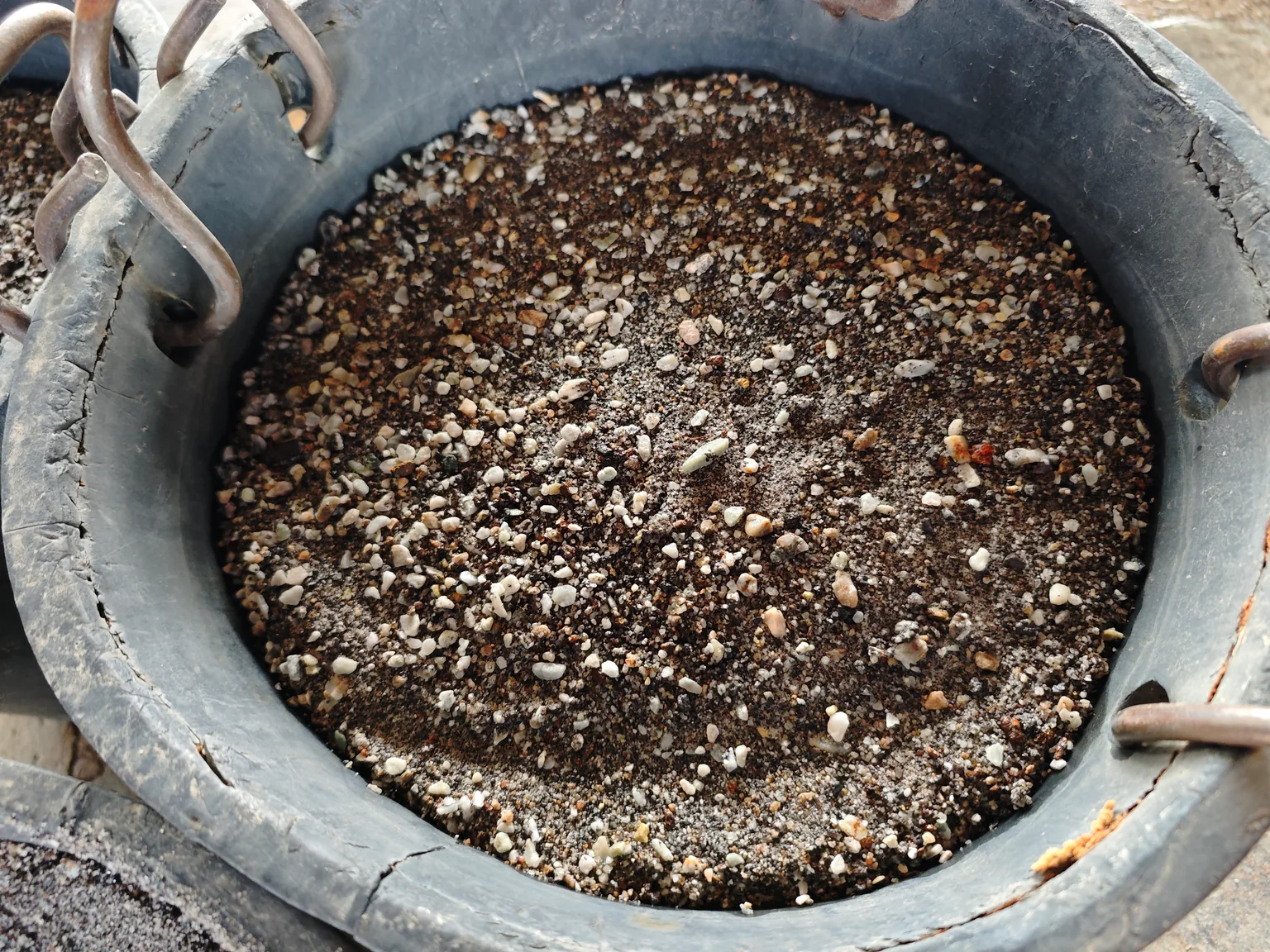
Where independent inspection is needed, agree the scope for the lot, including any sampling, quantity checks or loading supervision. SGS mineral and metal quality and quantity inspection
3. Confirm who can arrange loading and release
A contact may be able to take the buyer into the warehouse and send a current video. When the buyer tries to schedule sampling or loading, the warehouse may still be waiting for the owner’s instructions. Clarify three roles in the first discussion.
- Cargo owner · Confirms that the lot is available for sale.
- Site coordinator · Coordinates viewing, sampling, weighing and loading.
- Release authority · Confirms whose instructions the warehouse accepts to release the cargo.
Traders and intermediaries can explain their relationship to the cargo owner, what they can arrange and when the owner needs to be involved. Both sides can then confirm the right contacts before sending staff or vehicles.
4. Turn “we can deliver this week” into a schedule
List estimated dates for stock assembly, inspection and sampling, quantity and loading confirmation, and delivery. Name the person responsible for each step and identify conditions still to be met.
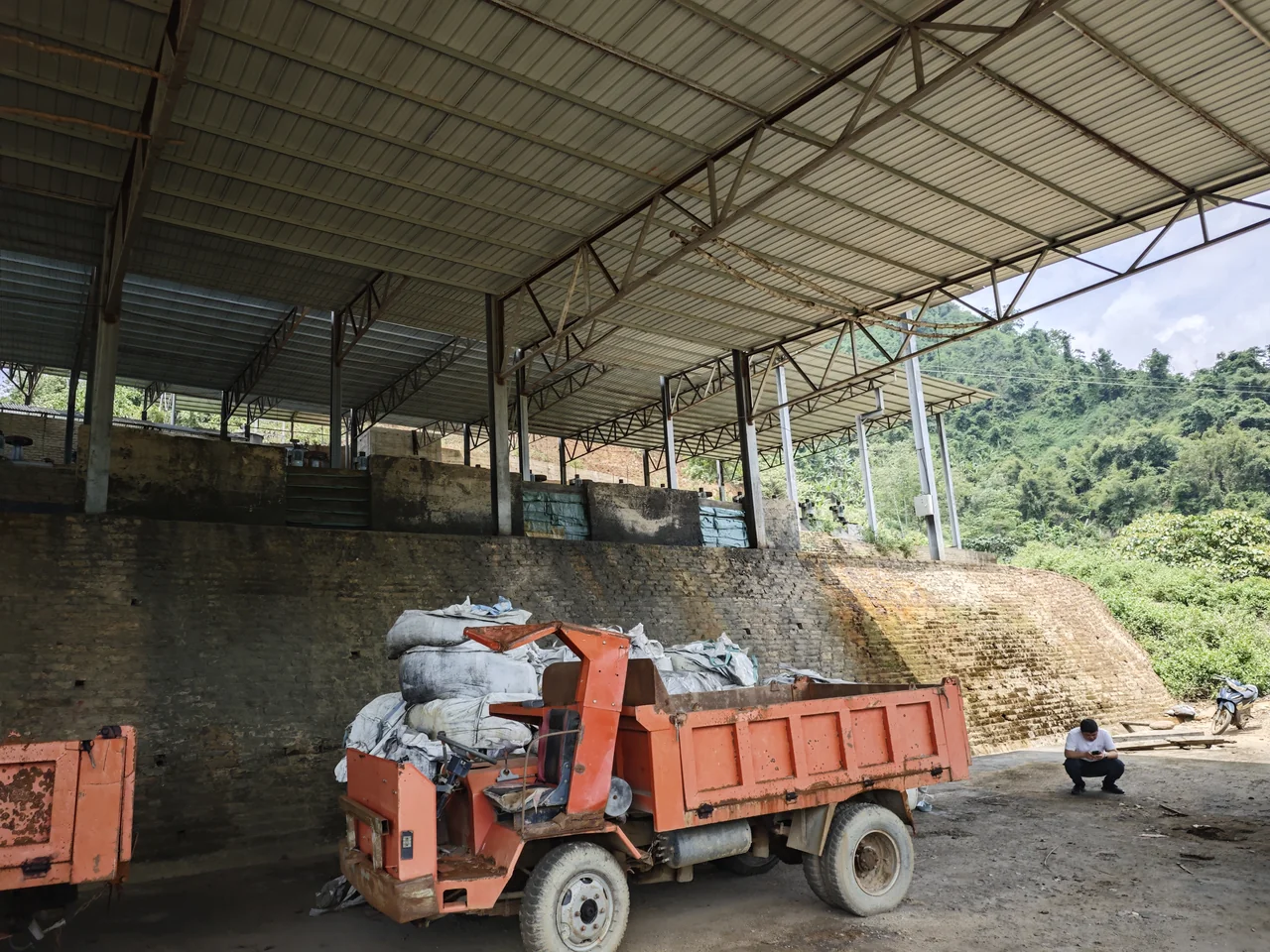
If the remaining 20 wet tonnes are expected on Thursday, Friday loading depends on identifying both parts of the cargo, agreeing on acceptance arrangements and confirming warehouse availability. For cross-border transport, list the proposed delivery point, documents already in place and open items so both sides can check the actual route.
After the first delivery, record the actual weight, the matching assay and when each step was completed. Use that delivery record when discussing monthly supply.
Have tin ore or tin concentrate to supply?
For your first contact with RTV, send the material type, stock location, available quantity, your role and your contact details. Include any assays, photos or delivery plans you have. List incoming quantities and regular supply capacity separately. We will discuss verification, sampling and delivery for the specific lot.
Submit a tin ore supply offer