
Antimony procurement · Sampling & acceptance
Antimony ingot sampling and testing: understanding SGS sampling and batch verification
Understand the sampling process and connect the test result to the delivery batch.
A report is useful for acceptance only when the sample’s origin and the goods it represents are clear. Confirm the service scope, sampling plan and custody records before commissioning testing.
1. On-site sampling and a submitted sample are different
A report issued by SGS does not, by itself, mean SGS collected the sample on site. Read the commission, sampling record and report to establish who obtained the sample and what work the organization performed.
| Arrangement | What needs confirmation | Acceptance implication |
|---|---|---|
| On-site sampling by the appointed organization | Sampling location, batch, plan, actual scope and records | Determine which goods the sampling and report cover |
| Sample submitted by a customer or supplier | Who collected it, where it came from, and how it was identified and handed over | The test result alone cannot establish that it represents the full delivery batch |
Sampling, laboratory analysis, weighing, tallying and loading inspection are distinct services. Confirm each commissioned task and its deliverables. The SGS service descriptions are references; the agreed assignment determines what is performed.
2. Match heat numbers to the proposed delivery batch
A heat number identifies a production heat; a delivery batch is the range of goods intended for this transaction. They are not necessarily identical. Record heat numbers, ingot or package identifiers, quantities and warehouse positions together.
For example, a 25-tonne order may include more than one heat or only part of a heat. Do not assume one factory report automatically covers the complete order. Confirm which quantities from each heat will be delivered.
Agree whether different heats are sampled and tested separately or under an appropriate composite-sampling arrangement. A composite result must not be interpreted as the individual result of every heat or ingot. Identify and delimit the goods before sampling; if the batch changes, reassess the original records and sample coverage.
3. Agree the plan with the testing organization
SGS describes sampling arrangements in relation to material characteristics and commercial and logistical requirements. The plan must suit the material’s form, physical and chemical characteristics, homogeneity and applicable agreed standards. There is no single sampling percentage, ingot count or sample weight that applies to every transaction.
- Identify the goods and quantity covered, heat numbers and storage layout.
- Agree test items, acceptance requirements and the intended use of the results.
- Have the organization confirm sampling methods, locations, quantity and sample preparation.
- Agree who may witness the work, sample identification and handover arrangements.
- Record inaccessible goods, site restrictions and any resulting limits on the scope.
Confirm feasibility, timing and charges before the visit. Do not treat a generic description of SGS services as confirmation that a particular assignment has been accepted.
4. Select the goods, then obtain the sample material
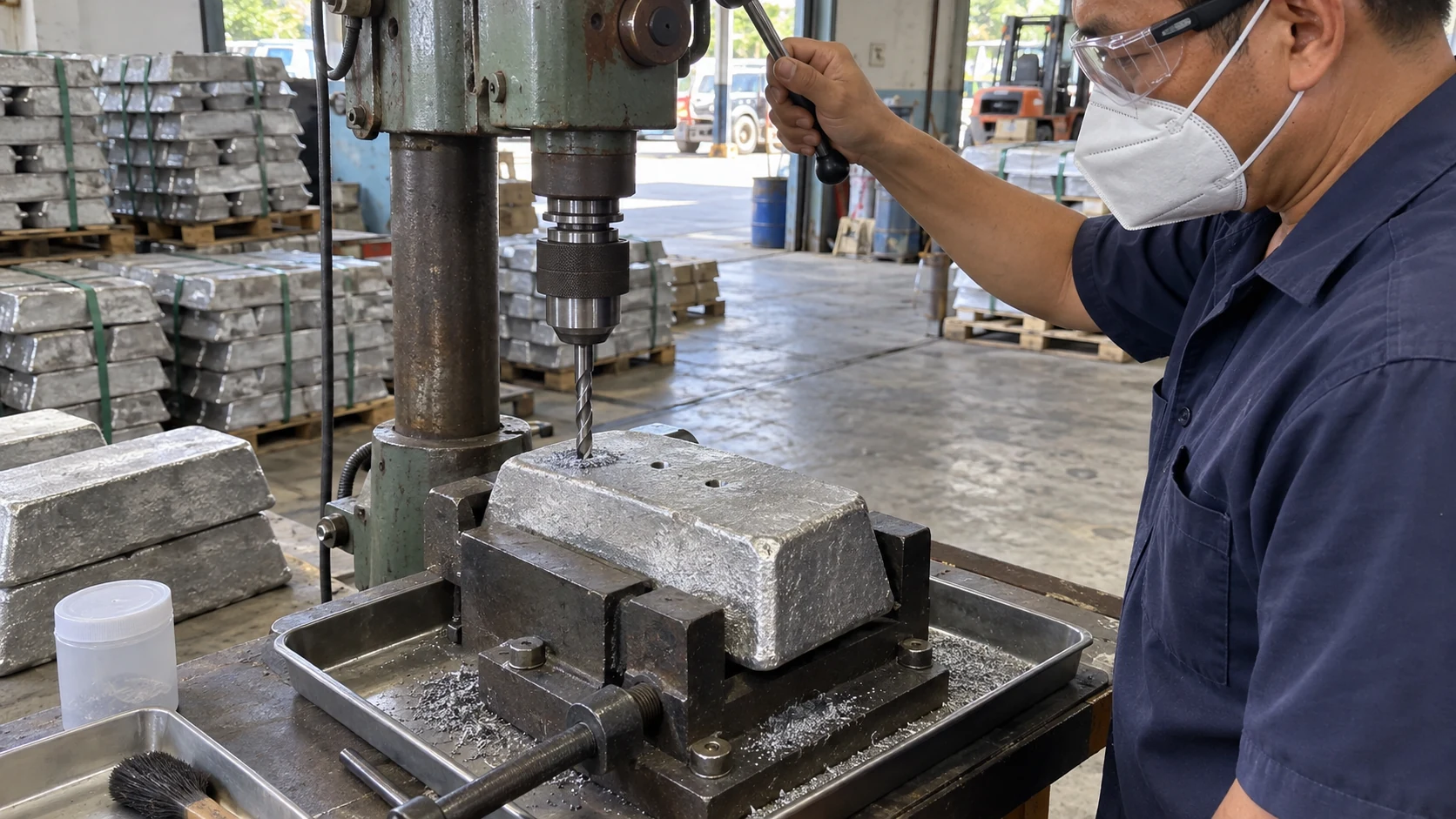
First identify the ingots or packages selected under the plan. Then obtain the required material using the method confirmed by the testing organization. Drilling or cutting may be considered for metal ingots, but the organization must determine the applicable method, positions and quantities; this guide does not prescribe operating parameters.
Check coverage across the agreed batch, use suitable tools, prevent sample mixing and contamination, and confirm any surface preparation requirements. Record the heat and sample identifiers, collection locations, time, personnel and departures from the plan. Photographs support the record but do not replace sample identification or custody records.
Define the batch
Identify the goods, heat numbers and storage locations.
Confirm the plan
Agree scope, methods and test items.
Collect on site
Collect under the plan and retain the records.
Prepare and seal
Identify the sample and the purpose of each portion.
Dispatch and retain
Document handover, custody and any retest arrangements.
Match report to goods
Compare results, sample identifiers and delivery scope.
This is a process illustration. Execution follows the assignment confirmed with the testing organization.
5. Agree preparation, sealing and retained samples
Preparation, splitting and identification should preserve a clear link to the sampled batch. A seal can help document custody; it does not make an unrepresentative sample representative.
| Item | What to agree |
|---|---|
| Sample allocation | Which portions are for testing, the buyer, the seller or a possible retest |
| Identifiers and seals | Sample number, batch or heat reference, seal identifier and record of sealing |
| Storage | Who retains each sample, storage conditions and retention period |
| Handover | From whom to whom, date, quantity and seal condition |
| Retest responsibility | Trigger, designated organization, sample to be used, costs and contractual effect |
Retained samples, multiple sample sets and retention periods are not automatically included in every SGS assignment. Confirm whether these services are included, how long material is retained and what happens when that period expires.
6. Verify identity, results and coverage
First check the issuer, report number, date and sample identifiers against the sampling and handover records. Next review the test items, units, methods and results against the agreed acceptance criteria. Finally, confirm that the goods offered for delivery remain within the documented sampling scope.
If goods have been added, moved, mixed or substituted, review whether the existing sample and report still apply. A report’s authenticity and its relevance to the delivery batch are separate questions.
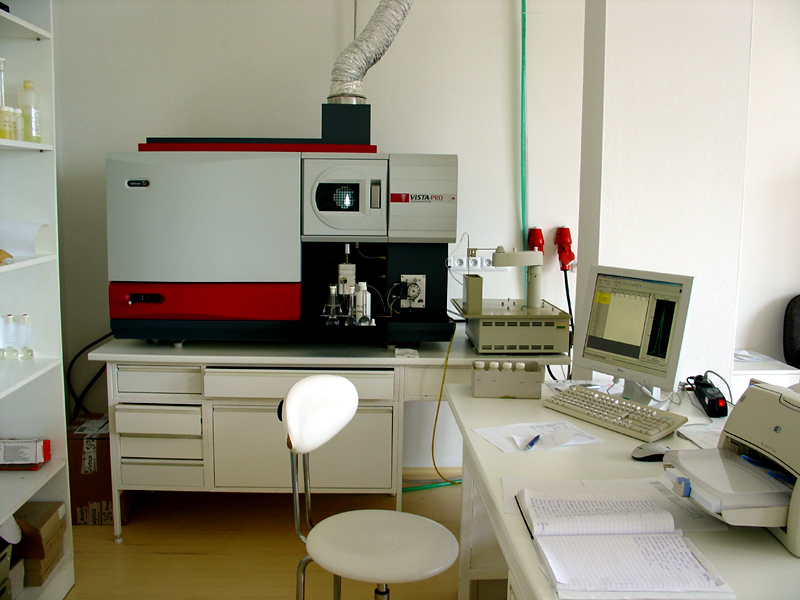

If factory and third-party results differ, first compare the heat numbers, sampled scope, timing, preparation, test methods and units. Follow the agreed retest or dispute procedure; no universal tolerance or automatic priority between reports is assumed here. Verify report authenticity through the issuing organization’s official channels. Report samples, stamps and templates are not publicly provided.
7. Prepare for verification in Laem Chabang
Provide the purchase quantity, intended use, acceptance criteria, required tests, desired delivery timing and any witnessing or retained-sample request. Confirm the organization’s local capability, warehouse access, scheduling and charges. No fixed testing turnaround is promised.
- The proposed delivery goods, quantities, identifiers and heat numbers are clear.
- The appointed organization and the scope of sampling and testing are agreed.
- Factory and third-party reports can be matched to the relevant goods.
- Sample custody, retention and any retest arrangement are documented.
- Verification, settlement, payment and warehouse procedures are scheduled consistently.
RTV primarily supplies Grade No. 2 antimony ingots from Laos, minimum 25 metric tonnes. Buyers must pass KYC and sign the contract one month in advance; delivery is as mutually agreed. Delivery takes place at a bonded warehouse in Laem Chabang, Thailand, with full T/T payment and transfer of title within the warehouse. The factory name is not publicly disclosed.
The transaction sequence is: buyer verifies goods, documents and reports → confirm settlement → both parties register the title transfer at the warehouse → full T/T funds received → warehouse executes the title transfer → close the batch transaction. Registration precedes receipt of payment; the actual warehouse transfer follows full receipt.
This guide explains trade practice. The actual batch, commissioned services, contract, warehouse procedures and applicable local requirements govern the transaction.