Standards and specifications are references for product and pricing discussions, not fixed supply thresholds. Share available assays, photos, quantity and location. Actual composition, material condition and delivery arrangements inform the terms agreed by both parties.
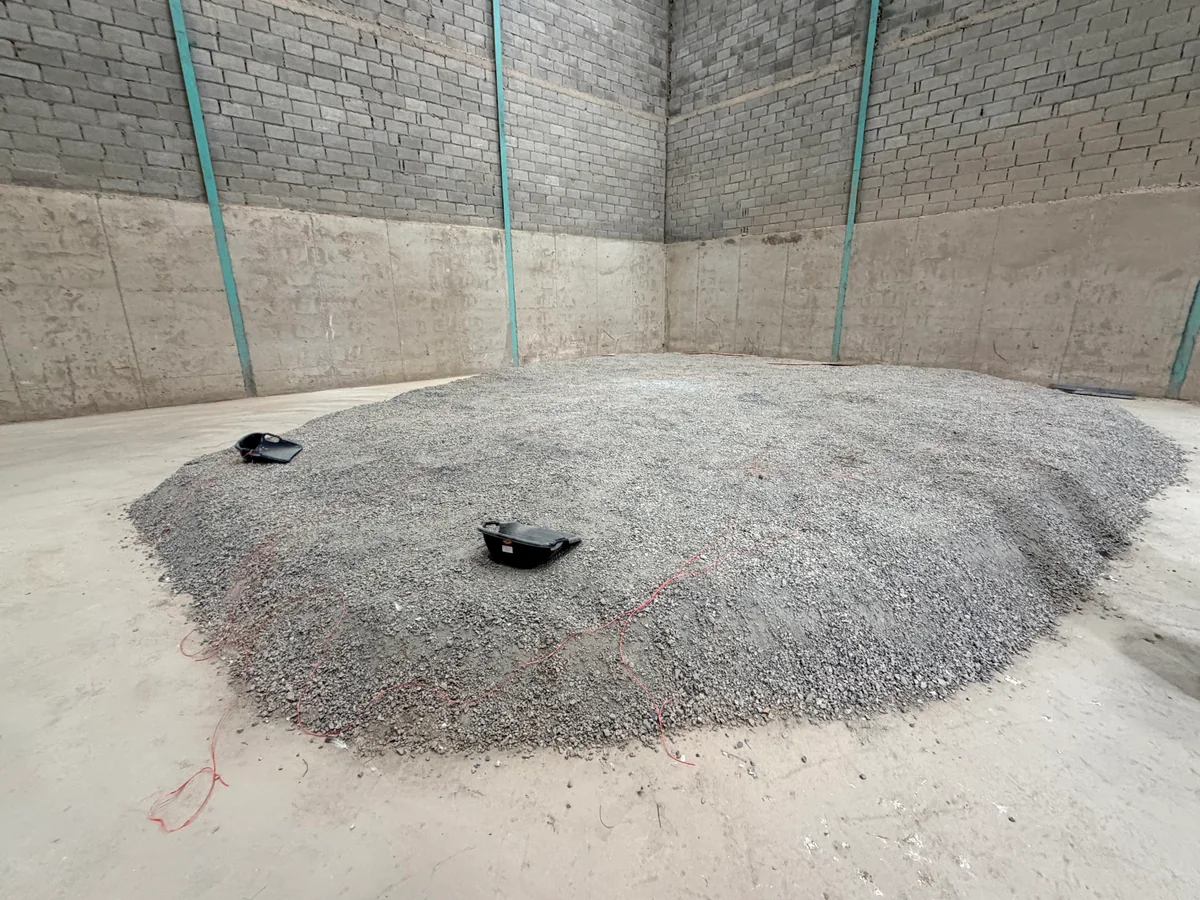
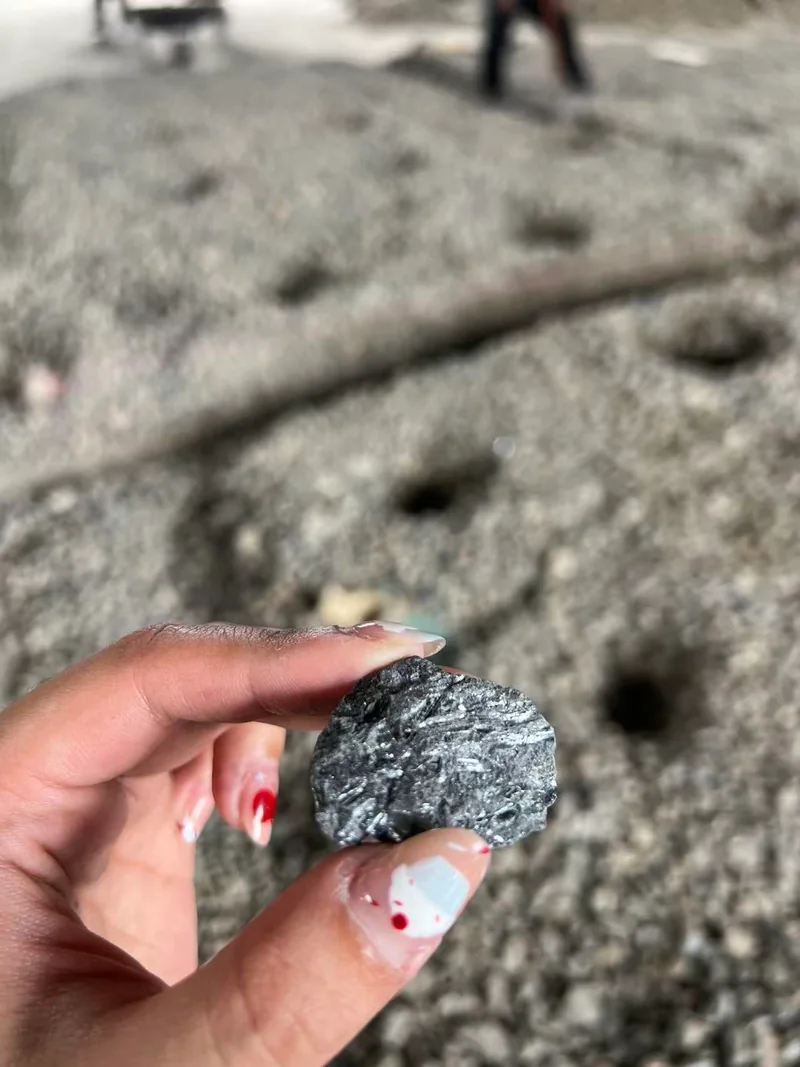
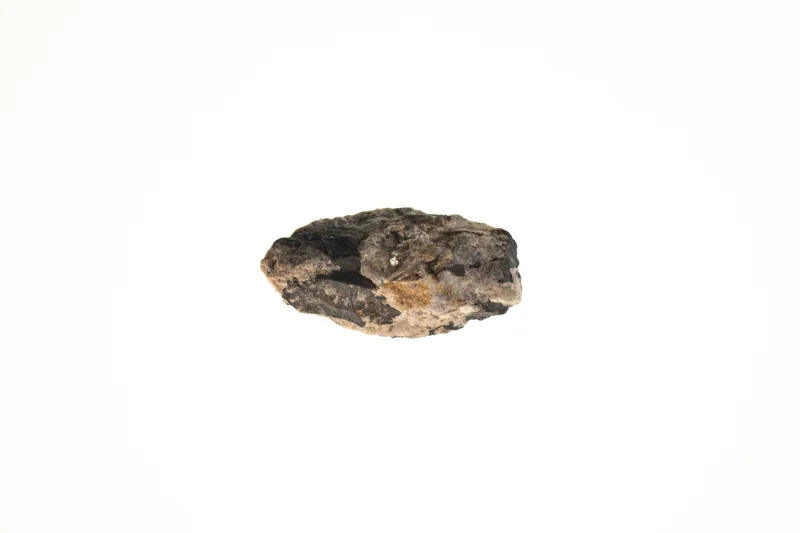
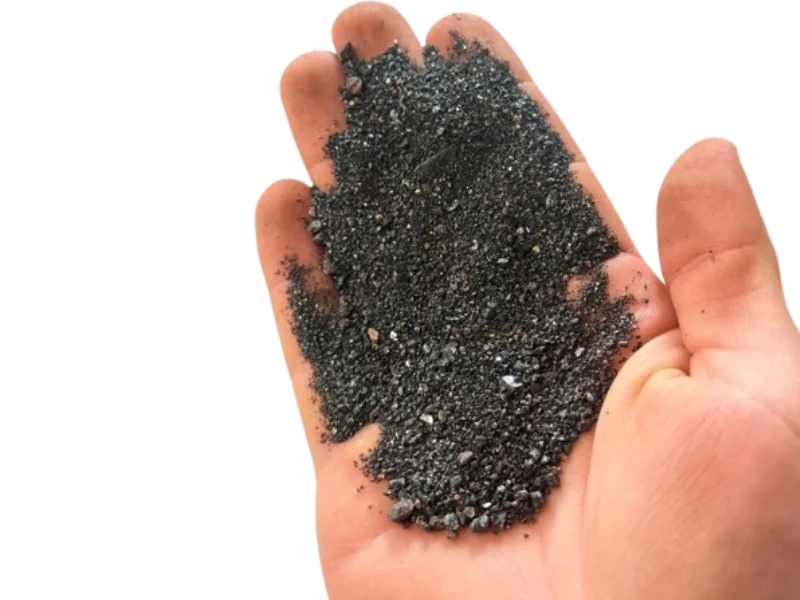
Antimony ore stockpile in storageAntimony ore close-up
Product form
Distinguish sulphide, oxide or mixed material, and separate ore, concentrate, crude antimony and slag.
Assay and lot information
Sb, As, Cd, Hg, Pb, S, Fe
Pricing discussion
Discuss pricing and processing fit using Sb, impurities, material form, moisture and delivery, without a fixed purchasing grade.
Numerical specification reference
GB/T 20424—2025 · Composition values: mass %
Content conditions in the standard definition (extract) Sb ≥ 20
Parameter
Reference value
As
≤ 0.60
Cd
≤ 0.0050
Hg
≤ 0.0050
For comparing lots and discussing specifications and pricing, not a universal RTV supply threshold.
Content conditions are not the complete definition or RTV purchasing minimums. Check source, beneficiation and physical form for applicability. Do not directly apply this table to ore, slag, dust or recycled material.
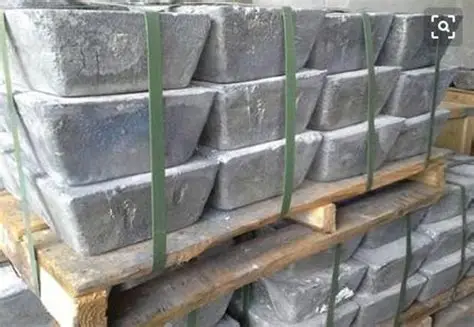
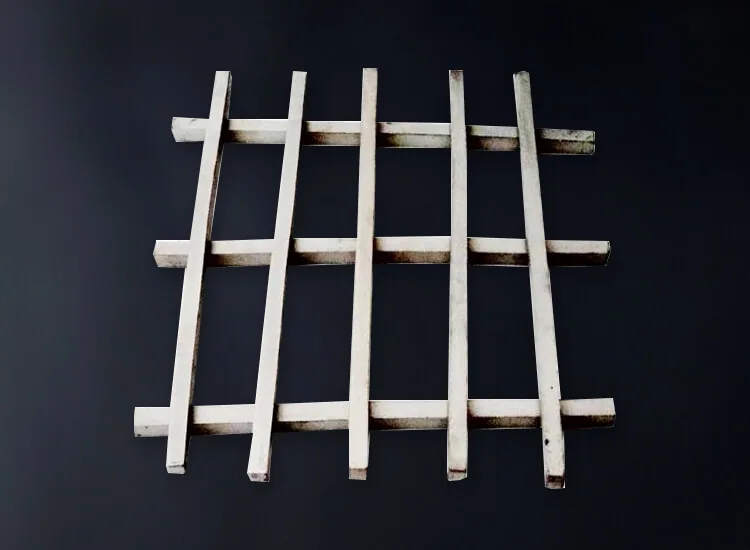
Featuring No. 2 antimony ingots (Sb99.65), pallets and straps, shipped by container. Actual lot details inform pricing and delivery.
Assay and lot information
Sb, As, Fe, S, Cu, Pb
Pricing discussion
Separate the reference grade from lot assays. Discuss price using actual chemistry, quantity, packing and delivery; pallet weight is lot-specific.
Numerical specification reference
GB/T 1599—2014 · Composition values: mass %
Parameter
Sb99.65
Sb
≥ 99.65
As
≤ 0.100
Fe
≤ 0.030
S
≤ 0.060
Cu
≤ 0.050
Pb
≤ 0.300
Total impurities
≤ 0.35
For comparing lots and discussing specifications and pricing, not a universal RTV supply threshold.
Values describe the Sb99.65 reference grade, not a lot assay or a universal supply threshold. Grade assessment considers individual and total impurities; pricing and terms are agreed using the actual lot.
Size, weight and lot reference Standard reference: each ingot≤25 kg; same-grade lots≤100 t. Listed wooden-box configurations are100 kg or1000 kg, with bundling and weight also subject to agreement. RTV currently shows pallets and straps with container transport; actual ingot and pallet weight is discussed per lot.
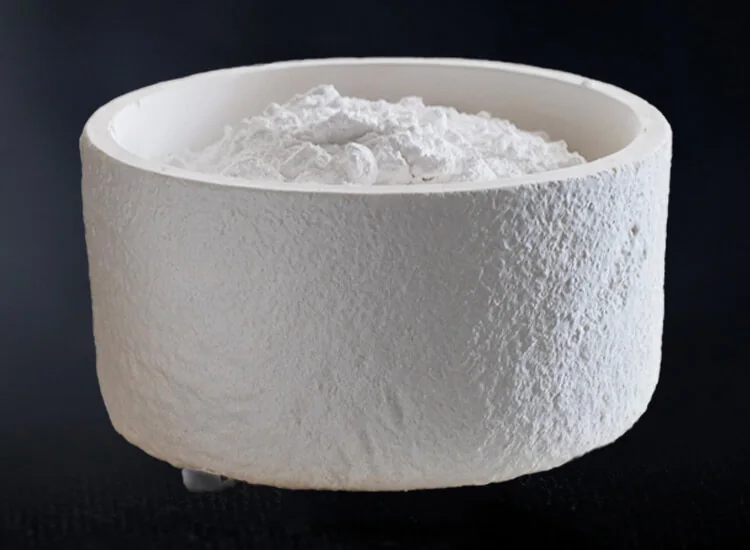
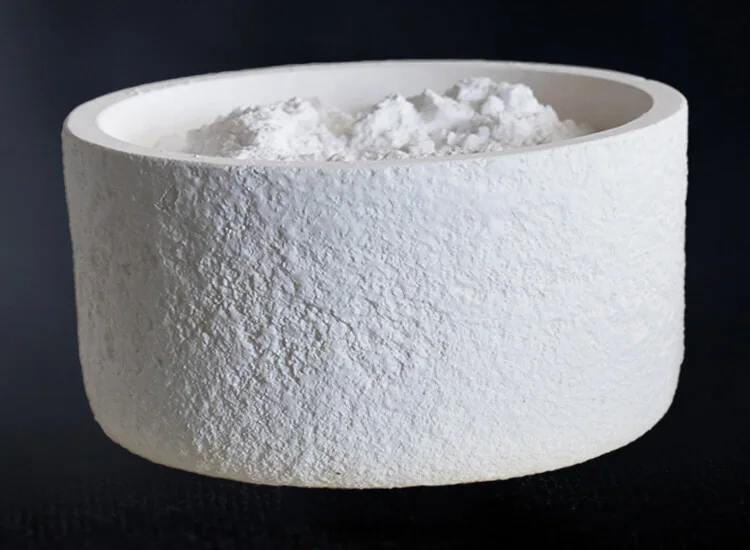
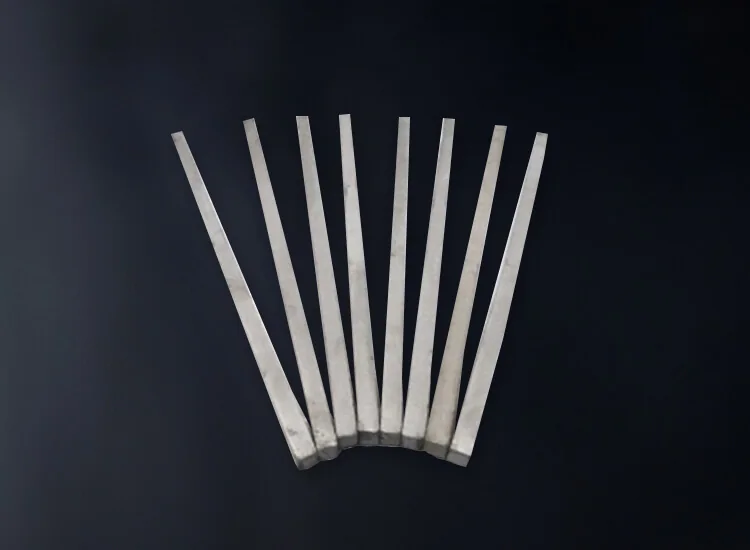
Columbite-tantalite mineral specimenTantalum pentoxideNiobium pentoxideTantalum metal barsColumbite–tantalite concentrate granulesNiobium bars
Product form
Distinguish ore/concentrate, oxides and metals. For minerals report Ta₂O₅, Nb₂O₅ and their total separately from elemental content.
Assay and lot information
Ta₂O₅, Nb₂O₅; Fe, Mn, Ti, Sn; U / Th
Pricing discussion
Discuss pricing using product form, Ta/Nb reporting basis, impurities, moisture and source; discuss U/Th information according to source.
Ore / concentrate quality and reporting details
GB/T 17415.1—2010 / GB/T 17415.2—2010 · Ore analytical method references; units are given by parameter
Parameter
Reporting basis and discussion points
Ta₂O₅
Tantalum oxide mass fraction (%): report the measured lot value and dry or as-received basis. If reported as elemental Ta, retain that value and state the conversion basis.
Nb₂O₅
Niobium oxide mass fraction (%): report separately from Ta₂O₅, stating dry or as-received basis and distinguishing Nb from oxide content.
Ta₂O₅ + Nb₂O₅
Combined oxide mass fraction (%) on the same basis. Keep both individual values; agree the pricing treatment of Ta and Nb separately.
Fe
Report iron content as mass % or the laboratory unit. Discuss processing and pricing in the context of mineral composition.
Mn
Report manganese content and unit alongside Fe and mineral composition; no universal price deduction is assumed.
Ti
Report titanium content, unit and whether expressed as Ti or TiO₂; discuss implications for the intended process.
Sn
Report tin content, unit and elemental or oxide basis. Any payable by-product value is agreed separately.
U
Provide uranium test information according to source, with units and method. Keep elemental content separate from radioactivity data.
Th
Provide thorium test information according to source, with units and method. Keep elemental content separate from radioactivity data.
Moisture
Report measured mass %, method and sampling date. For dry-tonne settlement, agree wet weight, moisture and dry weight.
Particle size
Report size range or sieve results with mm, μm or sieve aperture; describe lump ore, fines or concentrate.
Minerals and origin
Describe mineral type, origin and beneficiation, supported by actual lot photos; distinguish ore from concentrate.
Lot and assay basis
Record lot ID, sampling date, report ID, laboratory and method. Agree sampling, sealed samples and retesting arrangements.
For comparing lots and discussing specifications and pricing, not a universal RTV supply threshold.
For quality discussions on ore / concentrate, without universal grade or impurity limits. The listed standards are ore analysis methods; confirm suitable concentrate methods with the laboratory for the mineral concerned. Discuss tantalum oxide, niobium oxide, tantalum metal, niobium metal and alloys separately by purity / grade, impurities and form; this table does not apply to those products or imply current stock.
Start with the information available; further details can follow. Material form, quantity, location, available photos/assays and contact details.
From lot information to price discussion
Discuss the pricing basis, testing, payment and delivery arrangements for the particular lot.
Send Material Inquiry
Contact RTV with supply or purchase details
Start with your contact details, product and cargo location. Photos and assay reports can be attached; share videos or other details through WhatsApp, WeChat or email.