Lead-bearing materials ↘
Lead sludge, lead filter cake, silver-bearing lead sludge and lead smelting residues
Pb and Ag, moisture, impurities and recovery conditions
Recovering new value from metals in production residues.
We assess procurement and recovery cooperation with mines, concentrators, smelters, metal processors and recyclers. Focus materials include lead sludge, copper sludge, zinc washing residues, lead-zinc tailings, mixed middlings, silver-bearing lead residues and anode slimes.
Materials may be wet sludge, filter cake, powder, fine sand, granules or slag lumps. For ongoing production residues or accumulated historical stockpiles, start with assays, photos and quantities to discuss recovery and delivery.
Submit material photos and assaysLead sludge, lead filter cake, silver-bearing lead sludge and lead smelting residues
Pb and Ag, moisture, impurities and recovery conditions
Copper sludge, filter cake, wire-drawing sludge and copper precipitates
Cu, originating process, moisture, oil and inclusions
Zinc washing residues, lead-zinc tailings, mixed middlings and metal-bearing fines
Separate Pb, Zn and Cu results, mineralogy, particle size and recoverability
Silver-bearing lead slag, copper/lead anode slimes, precious-metal precipitates and filter residues
Au/Ag assays, associated metals, recovery process and origin
Materials on this page may contain one or several valuable metals; they need not contain lead, zinc and copper together. Test and assess each metal separately rather than replacing individual results with a combined grade.
Sludges, precipitates and filtration residues arising from smelting, metal recovery or solution treatment. Some also contain silver, zinc or copper; assess combined recovery value from actual composition.
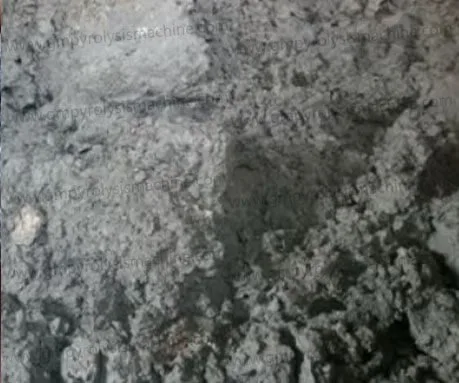
Wet sludge, paste, pressed cakes or dry powder; colour varies with composition, moisture and oxidation. Materials called “lead sludge” can have very different composition and treatment needs.
A metal recycler regularly produces lead-bearing filter cake with silver reported in the assay. The supplier can share Pb and Ag results, cake photos, monthly output and location to discuss individual lots or ongoing recovery.
Suggested information: Pb, Ag, moisture, originating process, and known Zn, Cu, As, Cd or other constituents.
Identify battery paste from battery dismantling separately; do not report it as other industrial lead sludge.
Sludges, precipitates and dewatered cakes from copper solution treatment, metal recovery and copper processing. They may be brown, black or blue-green, or granular with fine metal particles.
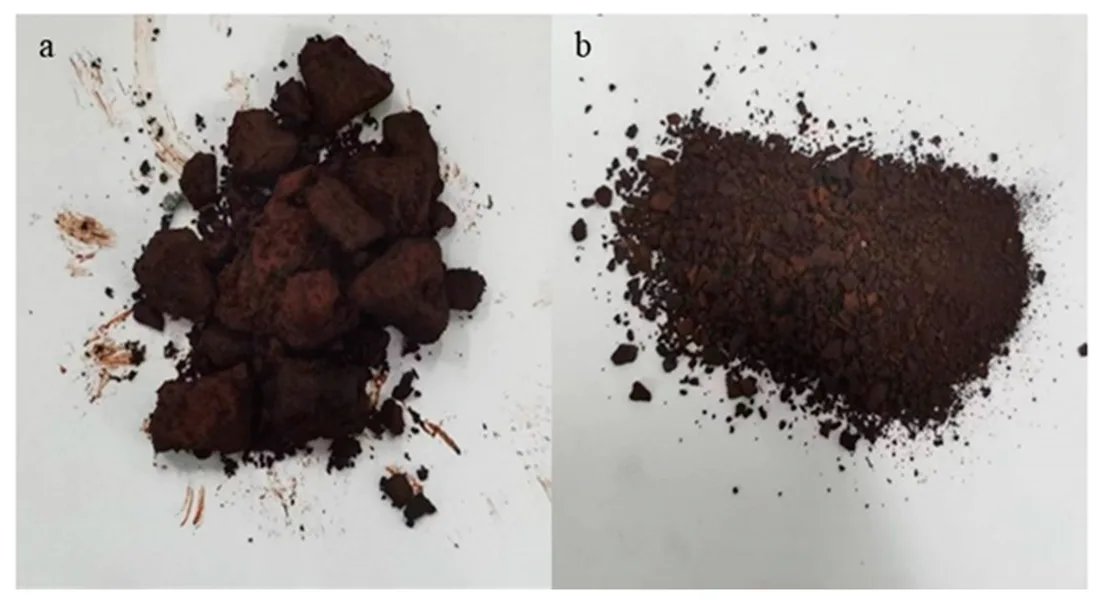
A copper recycler presses copper precipitates into filter cakes suitable for bags or drums. Cu content, moisture, process information and whole-lot photos support discussion of purchasing and delivery.
Suggested information: Cu, moisture, originating process, Fe, Ni, Zn, Cl, oil and known impurities.
Describe and sample separately collected copper process materials separately from mixed wastewater-treatment sludge.
Wire-drawing sludge, copper fines and filtration residues from copper wire production can also be submitted for assessment. Describe oil, moisture, non-metallic inclusions and any separation treatment.
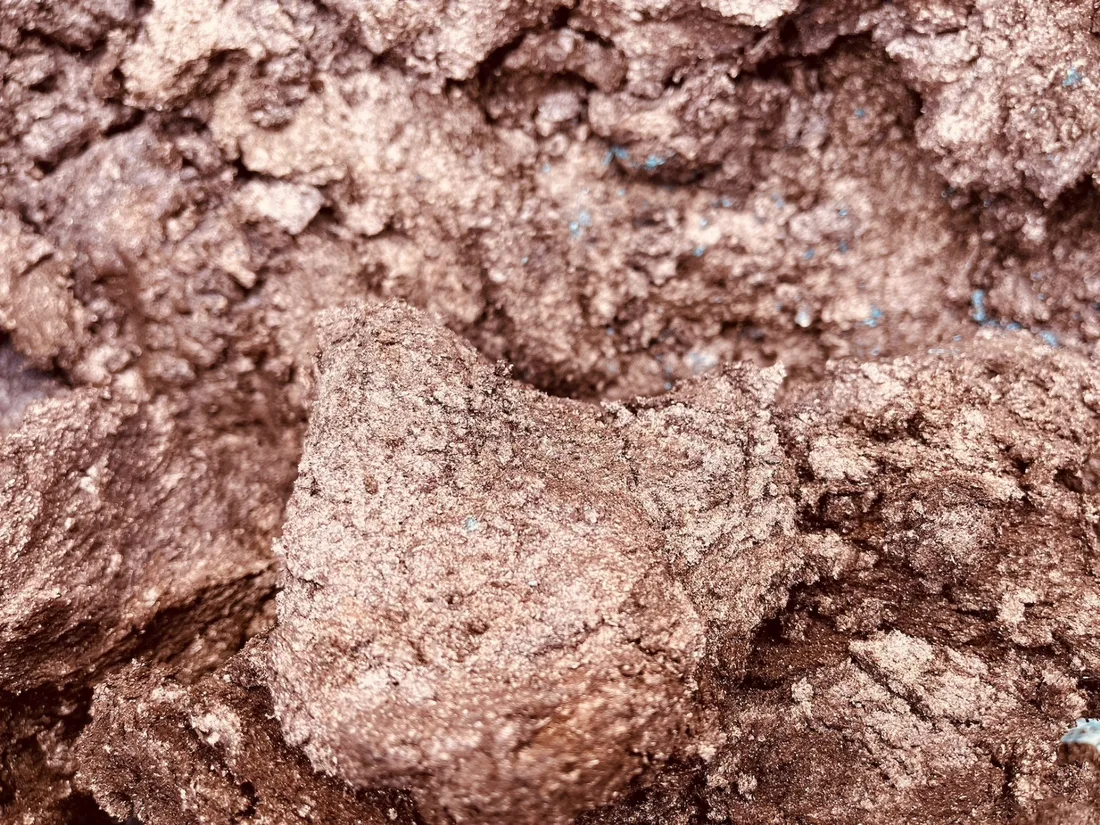
Tailings, fines, settled solids and filter cakes from washing, desliming, gravity separation or flotation of zinc and lead-zinc ores. Where metals remain, assays and beneficiation tests can support assessment of retreatment or other recovery routes.
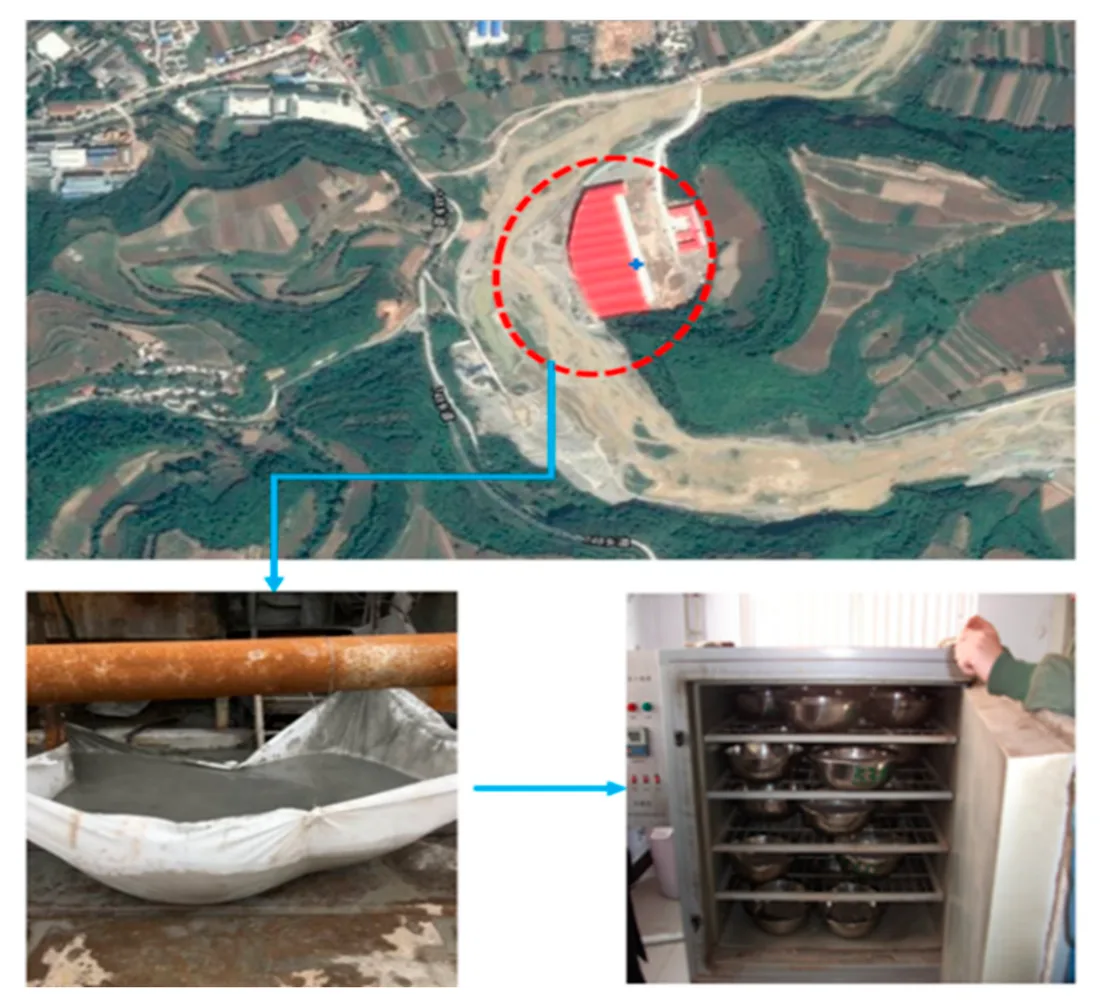
Fine sand, powder, settling-pond sludge or dewatered cake; grey, grey-brown or yellow-brown colours may occur. Colour alone cannot establish metal content.
A lead-zinc concentrator has historical washing sludge whose fine particles were not fully recovered in the original circuit. Area-specific assays, stockpile photos, estimated quantities and the original flowsheet help assess possible reuse.
Suggested information: Zn, Pb, Cu, Ag, moisture, particle size, oxide/sulphide character, stock quantity and original beneficiation process.
Tailings with similar total metal content may have different economic value because mineralogy, particle size and recovery difficulty differ.
Materials in which metal separation, purification or final recovery is incomplete. They may contain two or more of Pb, Zn and Cu, with possible gold and silver.
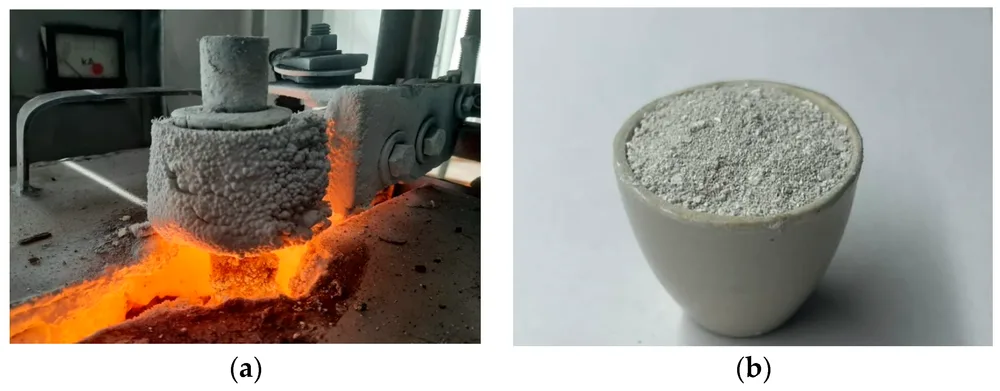
A concentrator produces mixed middlings containing lead, copper and silver, without separation into single-metal concentrates. Individual metal results, mineralogy and the original separation process support discussion of further treatment and possible procurement.
Suggested information: Separate Pb, Zn, Cu, Au and Ag results, moisture, particle size and the process that generated the material.
Residues and dust from pyrometallurgical or hydrometallurgical operations that retain recoverable metals. They may be hard lumps, granules, powder or filter cake; value depends on metal content, mineral form and treatment cost.
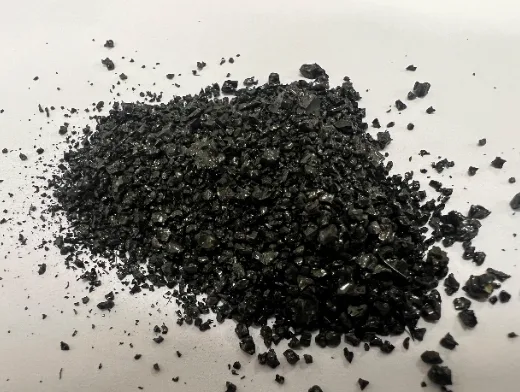
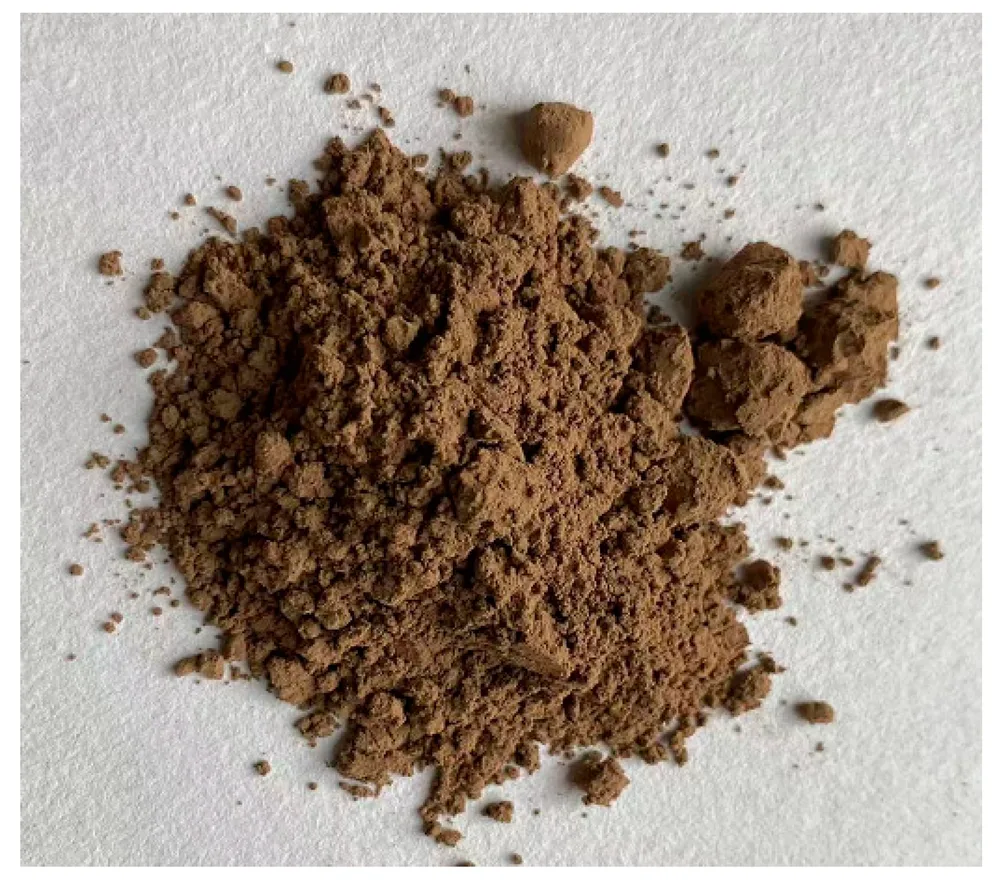
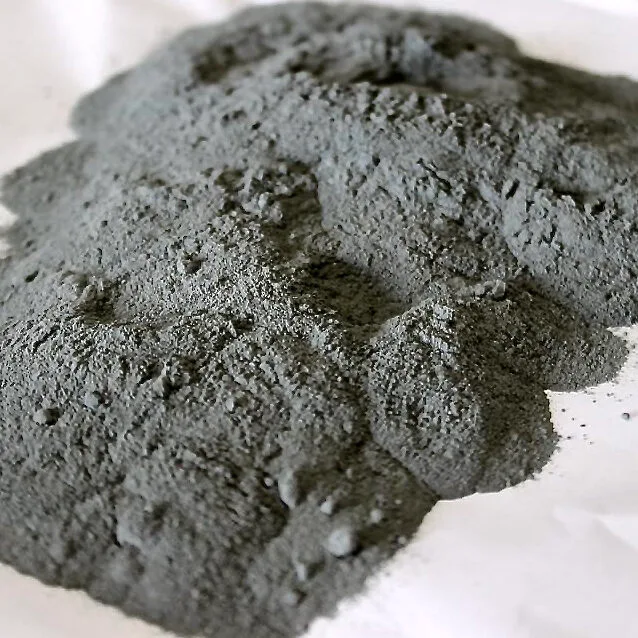
A smelter seeks a recovery route for copper slag or lead-zinc dust. Assays, the generating process, available quantity and packaging condition help assess feasible receiving and treatment arrangements.
Suggested information: Valuable metals, major Fe/Si/Ca constituents, S/Cl/F, moisture and known impurities.
Identify washing tailings, chemical leach residues and high-temperature smelting slag separately; do not label all of them “ore washing residue”.
Precipitates, dust, filter residues and intermediates from smelting, electrolytic refining, precious-metal processing and gold/silver recovery. They may look like ordinary dark sludge or cake rather than shiny metal.
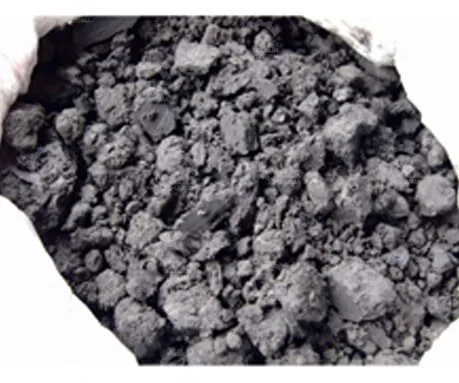
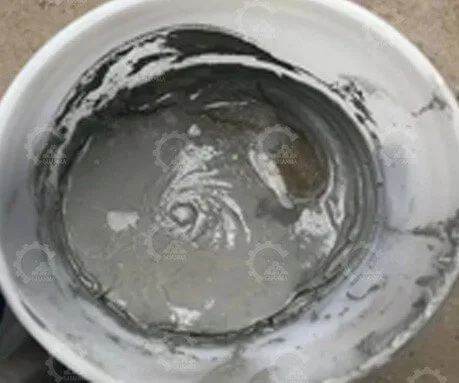
An electrolytic refiner collects and packages anode slimes by lot, with assays indicating gold, silver and associated metals. Representative sample results, process information, packaging photos and lot quantity support recovery and settlement discussions.
Suggested information: Au and Ag content and units, analytical method, associated Cu/Pb and other metals, moisture and generating process.
Report gold and silver preferably in g/t, stating dry or wet basis. Payability and pricing are agreed after verification assays and assessment of recovery conditions.
Share the following where available. If information is incomplete, start with current photos and test results.
| Material and origin | Where it arises and the beneficiation, smelting or recovery processes involved. |
|---|---|
| Assays | Pb, Zn, Cu and possible Au/Ag, with units, dry/wet basis and test date. |
| Physical condition | Sludge, cake, powder, fine sand or slag lumps; moisture and known impurities. |
| Photos and video | Close-ups, whole-lot storage and packaging, preferably from the same lot. |
| Quantity and frequency | Available quantity, one-off stock or recurring monthly output. |
| Location and delivery | Country, city, factory or warehouse, loading conditions and preferred delivery method. |
Share photos, assays, source and quantity.
Consider composition, recovery difficulty and delivery conditions.
Agree retesting, representative sampling or recovery trials as needed.
Settle lot, price, acceptance, payment and delivery arrangements.
Actual acceptance depends on material review, treatment conditions and applicable permits.
Center location: Vientiane, Laos (city-level location)
We evaluate materials from Laos, Thailand, Vietnam, Cambodia, Myanmar and other countries. Sourcing coverage does not imply RTV-owned facilities or warehouses in those locations. Transport and acceptance are reviewed by project.
Yes. Start with origin, photos, quantity and location; sampling and testing can be discussed after initial review.
Submit the details for assessment of metal content, impurities, moisture, quantity and processing and logistics costs.
Yes. Provide the cargo location and records; acceptance and cross-border arrangements are reviewed individually.
By recoverable metal value, assay results, processing and logistics costs and agreed commercial terms.
Do you have lead sludge, copper sludge, washing tailings or gold/silver-bearing materials? Share photos, assays and location to discuss procurement and recovery.
Leave a valid contact and the material details you have. Photos, videos and assay reports can be provided through the email or WhatsApp below.